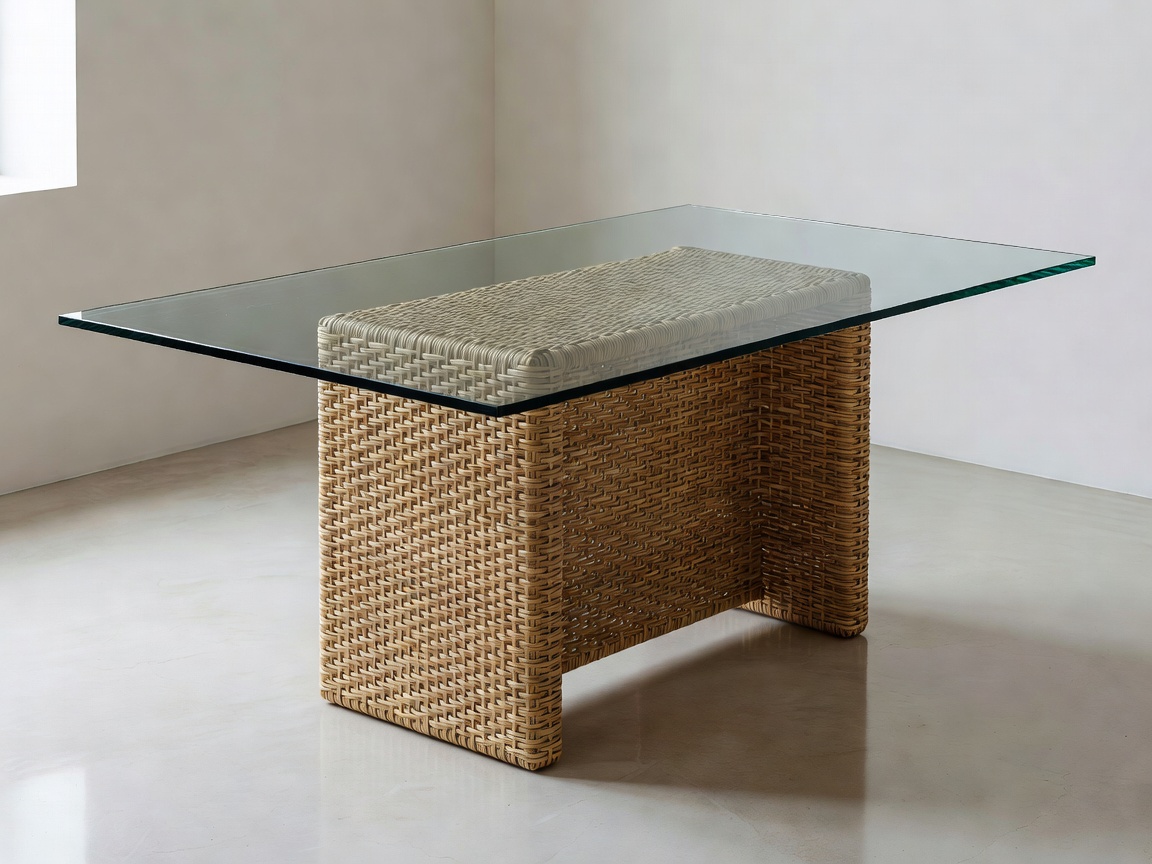
Glass top tables have remained a staple of outdoor furniture design for decades. They offer a sleek, unobtrusive profile that prevents small spaces from feeling cluttered. By allowing light to pass through to the patio floor, glass tables create a sense of airiness that solid wood or metal surfaces cannot replicate.
The Absolute Necessity of Tempered Glass
If you take away a single piece of advice regarding glass patio tables, it should be this: Never purchase an outdoor table that does not explicitly use tempered glass.
Tempered (or toughened) glass undergoes a controlled thermal or chemical treatment process that increases its strength significantly compared to normal glass. More importantly, when tempered glass fails under extreme stress, it shatters into small, granular chunks rather than jagged, dangerous shards. In an outdoor environment—where errant baseballs, falling branches, or extreme temperature fluctuations occur—this safety feature is non-negotiable.
Aesthetic Benefits
Glass tables pair wonderfully with almost any base material. A woven resin-wicker base topped with glass protects the intricate weaving from spills and dust while allowing the texture to show through. A minimalist aluminum frame with a glass top leans heavily into modern, industrial aesthetics.
Furthermore, glass is entirely impervious to rain. It will not warp, rot, or absorb moisture, making it an excellent choice for uncovered areas prone to sudden downpours.
Drawbacks and Maintenance Challenges
While structurally sound and visually appealing, glass demands frequent attention to maintain its pristine look.
- Smudges and Water Spots: Every fingerprint, layer of pollen, and dried raindrop is visible on a clear glass surface. Keeping the table looking immaculate requires frequent wiping with specialized glass cleaners or a vinegar-water solution.
- Thermal Shock Risk: Though tempered glass is strong, it can occasionally suffer from spontaneous breakage due to sudden, massive temperature changes (such as pouring ice water on a table that has been baking in 100-degree sunlight) or micro-fractures on the edge of the pane.
- Scratching: Glass can be scratched by unglazed ceramics, gritty planters, or metallic centerpieces dragged across the surface. Once scratched, it cannot be easily buffed out like wood.
- Sun Glare: In high-sun environments, a clear glass table can bounce blinding light upward, making midday dining uncomfortable without a patio umbrella.
Textured and Tinted Options
To combat the visual maintenance issues of clear glass, many manufacturers offer frosted, hammered, or tinted (smoked) glass options. A hammered texture scatters light, significantly reducing sun glare, while simultaneously hiding pollen dust, minor water spots, and micro-scratches.
Ultimately, a glass outdoor table is ideal for homeowners who prioritize modern elegance and don't mind a quick wipe-down before guests arrive. By ensuring the glass is properly tempered and utilizing coasters or placemats, these tables provide a highly durable, weather-proof dining surface.